This translation was generated automatically
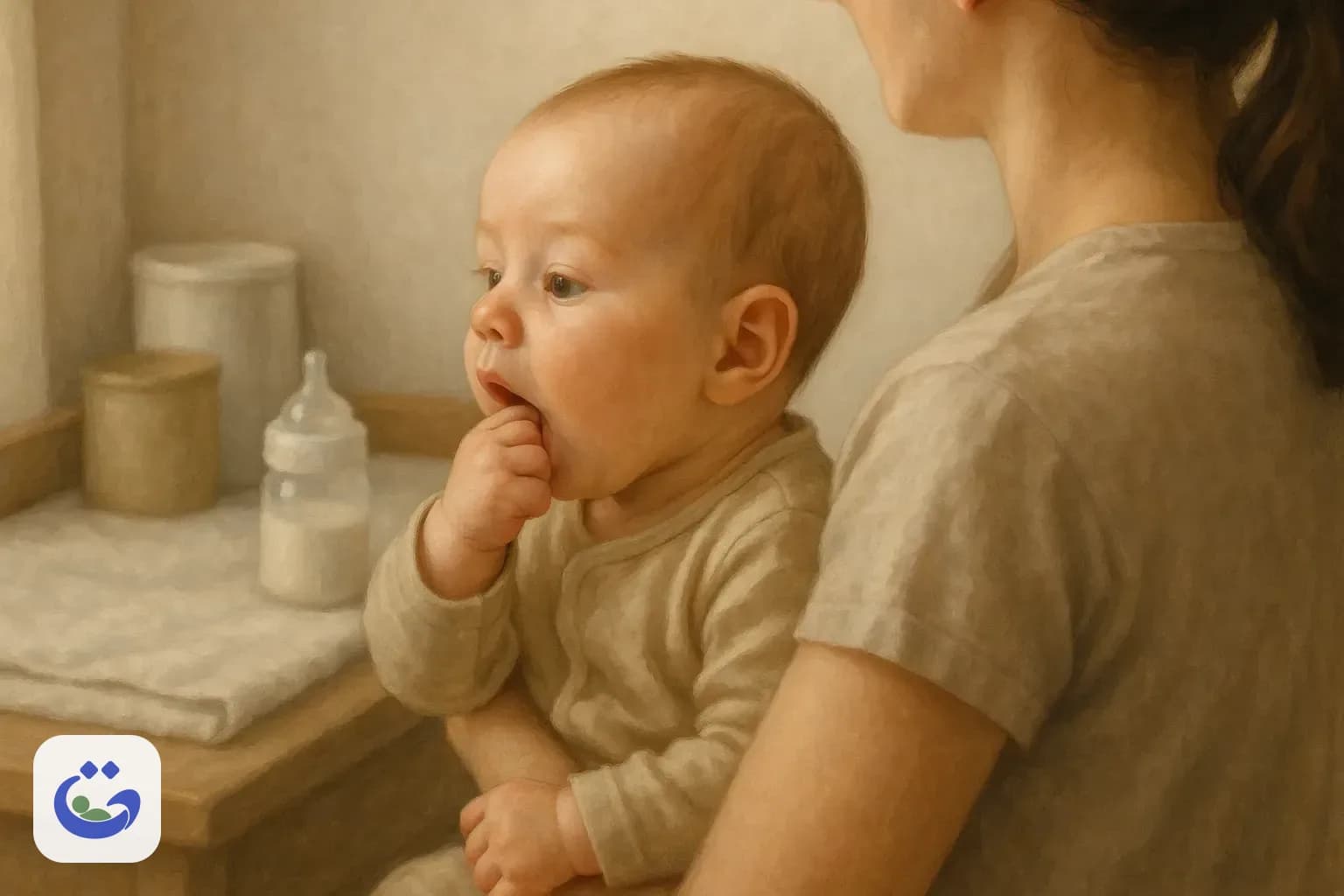
Screens and babies under 2 years: what does the advice say? General advice from groups such as WHO and AAP says that children under 2 years should not be exposed to screens, except for short video calls with a close person. The reason is not only that screens are “forbidden”, but that babies at this age learn from the people in front of them: from voice, face, response, and touch.
If you are looking for alternatives, the idea is not to “ban” every hard moment. The idea is to keep what is around the baby simple, real, and responsive. This age needs your presence more than any app, even if your time is short and tiring.
What do the recommendations say about screens before age 2?
The broader advice from paediatricians and child development experts is similar: the best option is for a child under 2 years to avoid screens as much as possible. The most accepted exception is video calls with a grandparent, an absent father, or someone the child knows, because they are closer to real communication than ordinary video.
Screen here means the TV, phone, tablet, and anything that shows moving pictures or sounds for a period of time. And even if the programme is “educational”, a child at this age does not learn from it in the same way they learn from playing with you. What helps more is hearing you explain, seeing you point, and copying you.
Why is direct interaction more important than video?
A young child does not learn words from hearing only. They learn from back-and-forth: you say a word, the child looks at you, then you repeat it, then they smile or reach out. This interaction helps language, attention, and understanding of social signals such as looking, waiting, and taking turns.
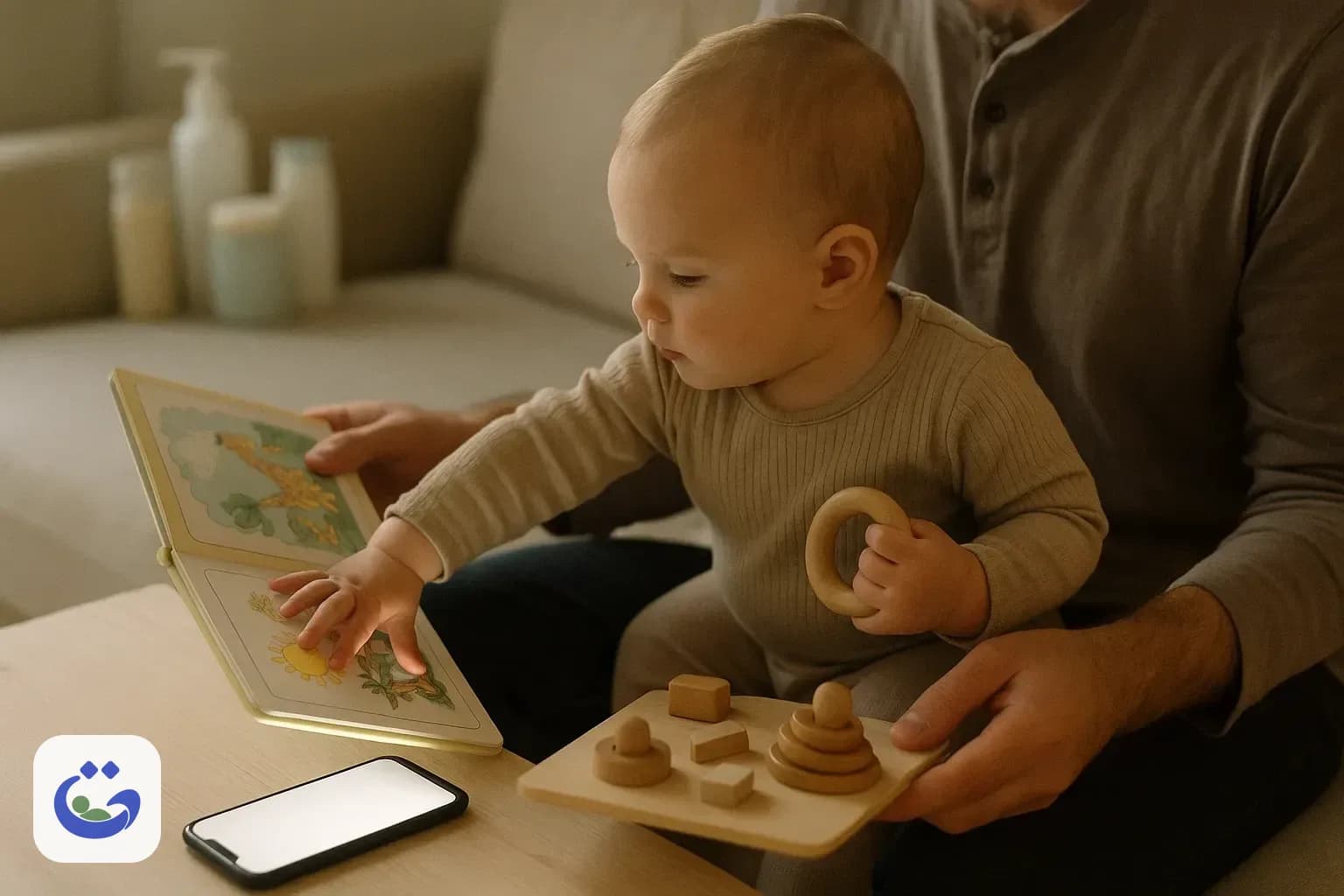
Video does not answer the child. It does not pause when they turn away. And it does not repeat in a way that suits them. So it may look appealing, but it is less helpful than a hug, a simple toy, a picture book, or even your ordinary conversation while changing a nappy or preparing food.
If your day is busy, you do not need big activities. Sometimes it is enough to describe what you are doing: “Now we wash hands”, “This is an apple”, “Look at the ball”. These small sentences seem simple, but they feed language more than many programmes.
What should I do when I need to get something done quickly?
Every parent has moments when they need 10 quiet minutes. Here the goal is not perfection, but choosing a short and realistic alternative instead of a screen as much as possible.
Try these ideas:
- Put the baby on a safe blanket with 2 or 3 simple toys they can hold.
- Give them a clean plastic bowl or cup to hold and tap.
- Sit near them and place a toy, then wait for them to pick it up.
- Sing a short song and repeat it more than once.
- Open a picture book and name the things in the picture.
- Take them to the window and describe what they see: a tree, a car, light.
- If the weather is suitable, let them move on the floor in a safe place instead of sitting for a long time.
Sometimes the alternative is not a “activity” at all. Sometimes it is just a change of place or holding the baby with you while you do a simple task. And it is best to use a steady routine as much as possible. If tracking sleep or feeds or naps helps you, then having a baby sleep and nap log and breastfeeding and formula feeding log may reduce guessing and lower the need to keep the baby busy with a screen.
What about the parents’ own screen time?
Sometimes the problem is not the baby’s screen, but the parent’s screen. When the phone is busy all the time, the baby loses some of your eye contact and quick response, even if they are not watching a video themselves.
You do not need to leave your phone completely. That is not realistic. But try to keep your moments with the baby “face open”: keep the phone away when you are feeding, playing, holding, or trying to calm them. The baby learns more from your face than from a screen.
Think of the phone as a tool, not a permanent companion. If you need reminders for routine or follow-up, apps can help without stealing your attention all the time. Some parents also benefit from how to use a baby tracking app step by step so they can make use quick and clear, instead of moving randomly between the phone and the baby.
How can alternatives help with language and development?
A good alternative is not complicated. It is something that lets the baby hear language, see facial expressions, and move their body. These three things are what their young brain needs at this age.
Simple examples that help every day:
- Talking during routines: during dressing, bathing, nappy changes, or going out.
- Songs and rhythm: repetition helps the baby pay attention and wait.
- Picture books: even if the baby turns the page or mouths it, the shared moment is helpful.
- Sensory play: touching a piece of cloth, a soft ball, or a toy with different sounds.
- Copying and imitation: clapping, a gesture, or a simple sound, then waiting for their response.
If you have an older child in the home, try to keep screen watching in front of the younger baby to a minimum. Not because you have done something wrong, but because a young child catches attention easily. And the calmer and more human the surroundings, the better it is for them.
How do I do this at home without pressure?
Start with just one step. You do not need a perfect plan. You can choose a simple rule: no screen during meals, or no screen before sleep, or no screen except for a video call with family.
Having a small routine helps a lot. For example, a fixed sleep routine, or a simple feed and nap log, or growth follow-up. When the day becomes clearer, the temptation to silence the baby with a screen only because you are tired becomes lower. And if you share care with a partner, grandmother, or nanny, agreeing on the same rule in advance reduces stress. Here it may help to share the child’s log with the family, nanny, and doctor so everyone is on the same page.
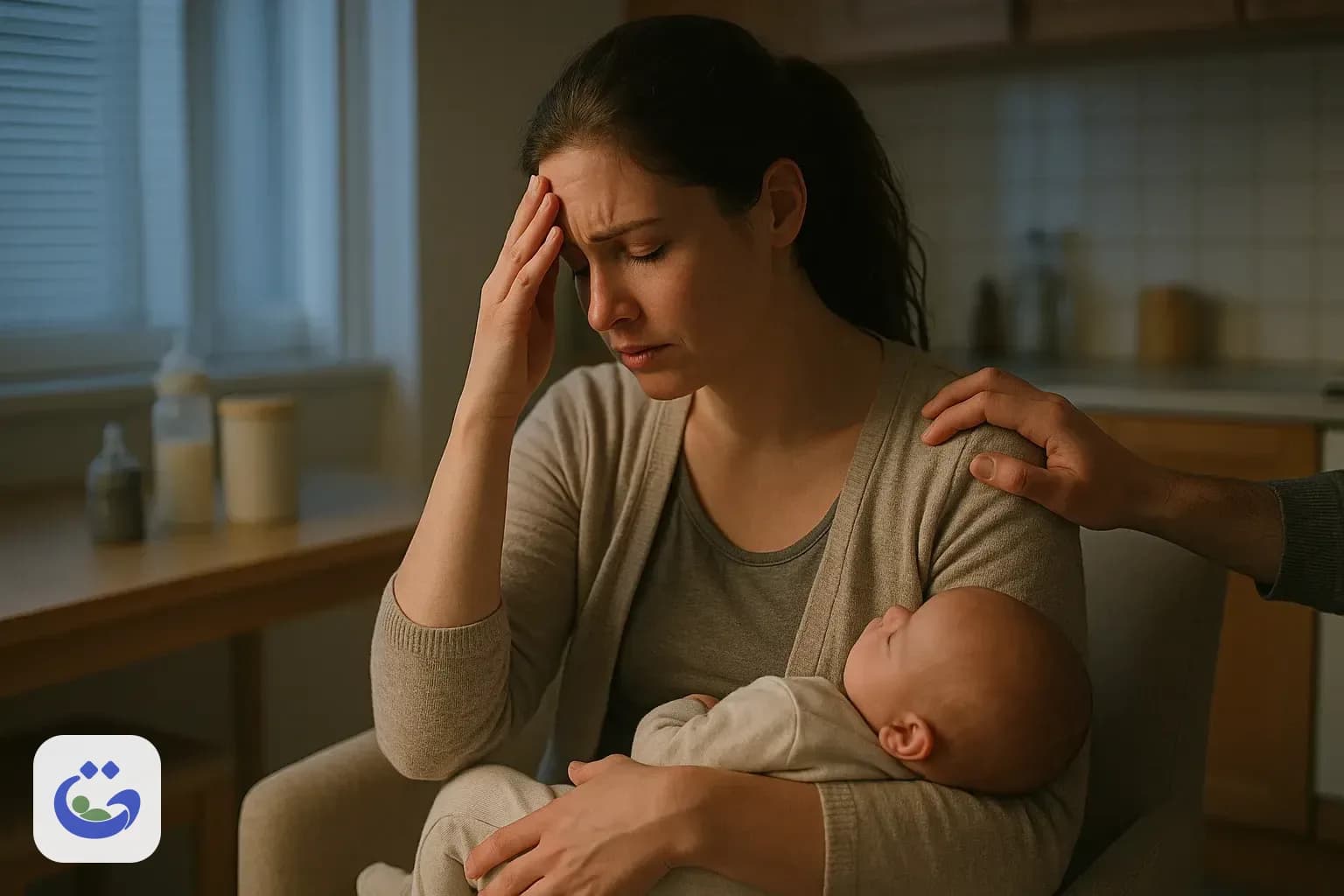
And do not forget: sometimes the baby needs your presence, and sometimes you need 5 minutes to catch your breath. That is normal. Take it without self-blame, but try to make the screen the last choice, not the first.
When do I need a doctor?
Seek medical help quickly if you notice one of these:
- The baby does not respond clearly to nearby sounds or to their name as they grow.
- They do not smile, do not make eye contact, or do not interact with faces as they used to.
- They have lost a skill they had started, such as babbling or eye contact.
- You seem to have great difficulty calming them, or organising their day and sleep, on an ongoing basis.
- You have strong concern about delayed language, hearing, or overall development.
Seek urgent help if the baby seems unusually limp, does not respond at all, or there is another urgent medical sign that cannot wait.
Common questions
- Are screens allowed for my baby before age 2?
- General advice says it is best to avoid screens for children under 2 years, with the exception of short video calls with someone close. At this age, babies learn more from face, voice, touch, and live interaction than from passive watching.
- Why are video calls better than ordinary videos?
- Because they allow real communication: a person responds to the baby, smiles at them, and waits for their response. This is closer to the direct interaction a baby needs for language and attention than a video that shows images without adapting to the baby.
- What should I do when I am exhausted and need a few quiet minutes?
- Choose a simple, short alternative instead of a screen: a safe toy, a song, a picture book, or floor time in a safe place. The goal is not the perfect activity, but to keep the baby connected to you and to a real world around them.
- Does my own phone use in front of my baby matter?
- Yes, because it may reduce your attention and quick response, even if the baby is not watching their own screen. Try to keep the phone away during feeding, play, and routines, and use it only when needed.
- How do I know if I need to see a doctor?
- See a paediatrician if you are worried about language, interaction, or hearing, or if you notice a skill that had already appeared and then disappeared. Seek help quickly if the baby does not respond to sounds or people as you would expect for their age.
References
- Engaging and having fun with newborns and children under 5 years — World Health Organization
- Why to Avoid TV for Infants & Toddlers — American Academy of Pediatrics (HealthyChildren.org)
- Babies need humans, not screens — UNICEF
- Screen time and children: MedlinePlus Medical Encyclopedia — MedlinePlus
- Baby moves — NHS