This translation was generated automatically
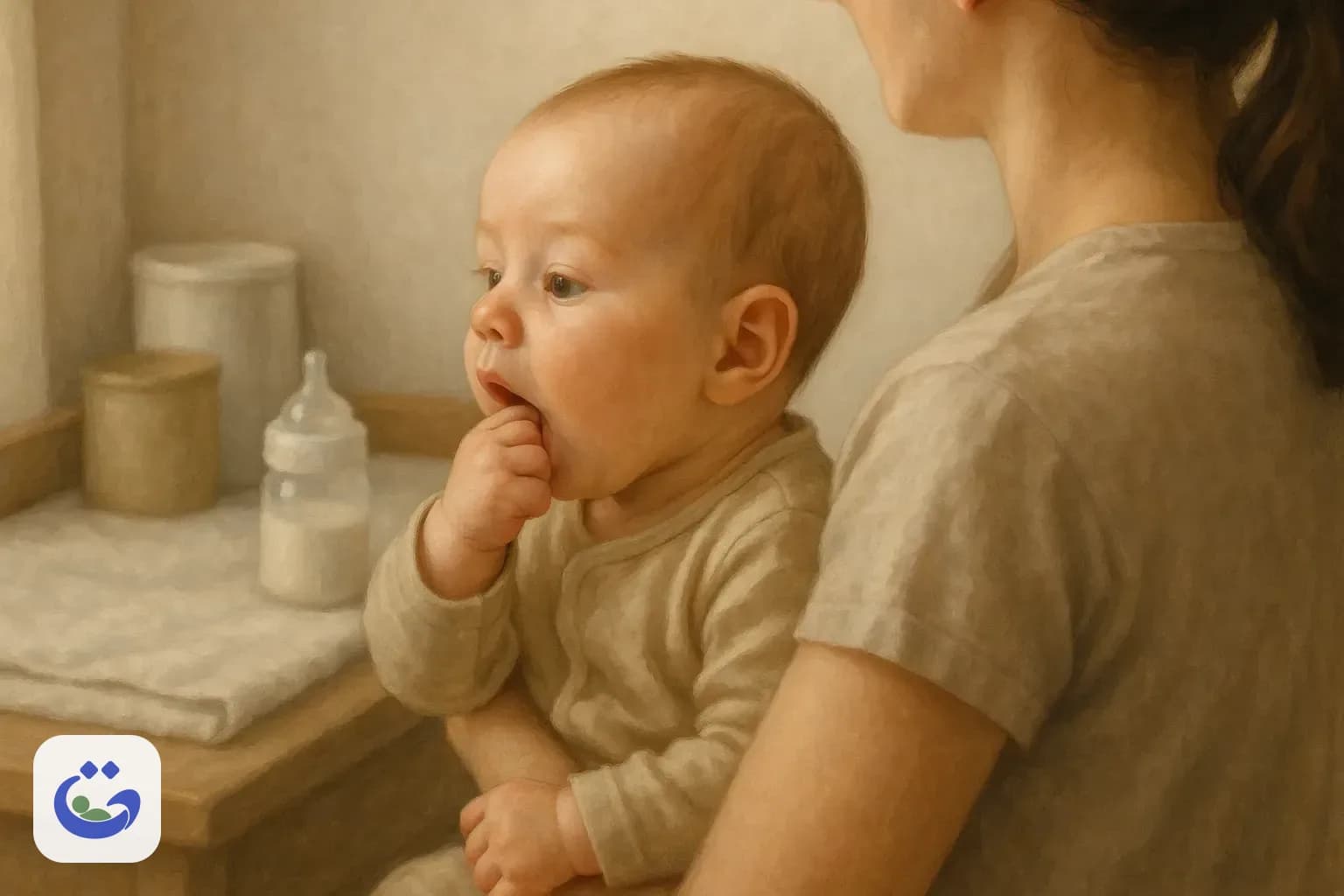
Signs of hunger and fullness in a baby usually appear before crying. If you notice looking for the breast or bottle, sucking fingers, or a restless baby, these may be early signs of hunger. And if your baby turns away, sucks more slowly, or looks relaxed, these are signs of fullness.
How do I know my baby is hungry before crying?
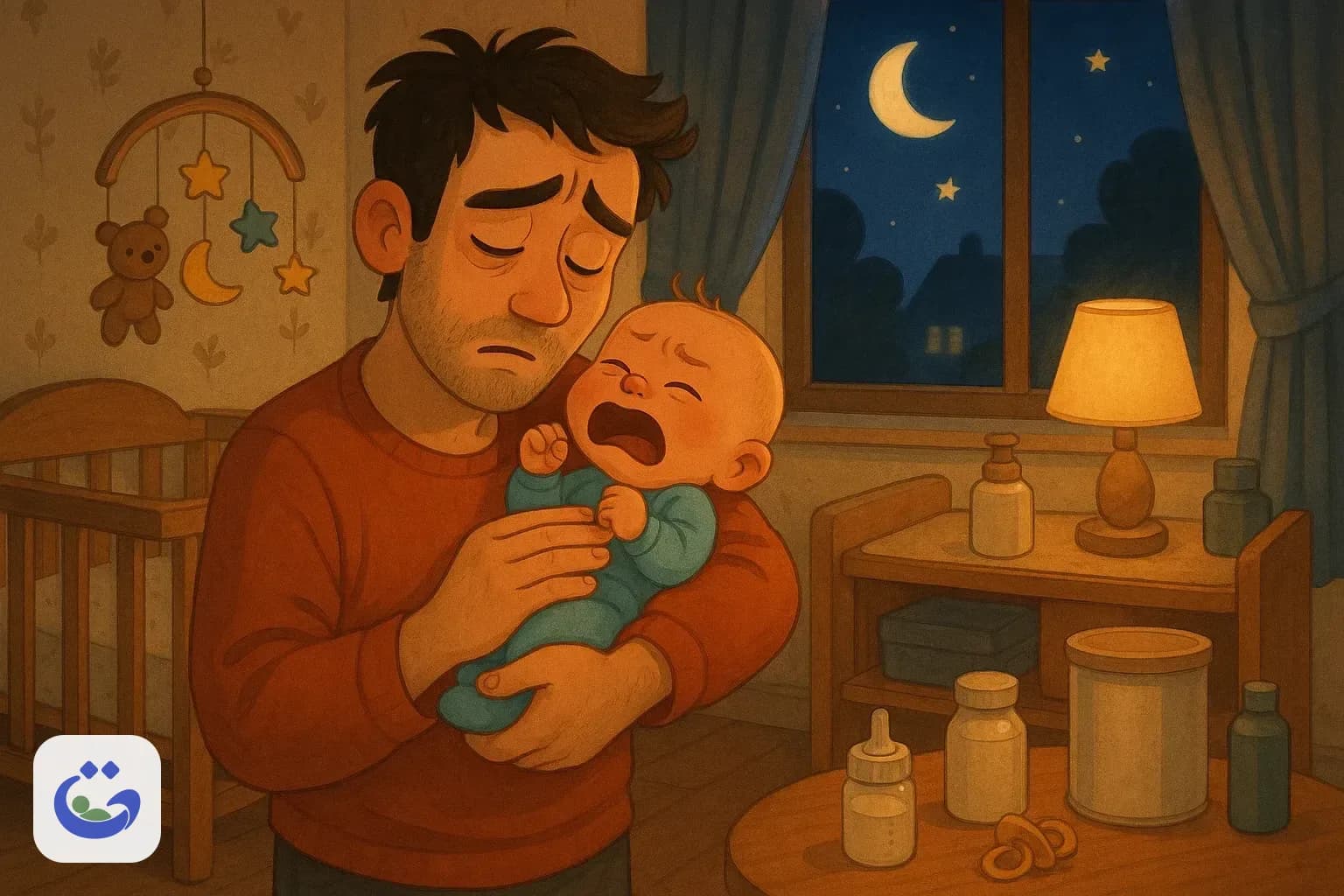
Hunger does not usually start with crying right away. Many babies send signals first, and these become clearer if feeding is delayed. So it is best to notice signs of hunger and fullness in a baby on time, instead of waiting for crying.
Early signs of hunger
- Opening the mouth and searching for the nipple or bottle
- Turning the head from side to side as if looking
- Sucking hands or fingers
- Sticking out the tongue
- Moving the eyes quickly or waking from sleep with restlessness
- Making soft sounds or quietly asking to feed
These signs usually appear first. If you respond to them, feeding is easier for you and your baby.
What do the middle and late signs of hunger mean?
If the child is not fed after the first signs, they may become more urgent. You may then notice more movement and louder sounds. But this does not mean the child was “being fussy”; it usually means they have become hungrier.
Middle signs of hunger
- More restlessness
- Strong body movements
- Tensing the arms or legs
- Clinging to you and trying to reach the breast or bottle
Late signs of hunger
- Crying
- Strong distress
- Difficulty calming the child until feeding starts
Crying is a late sign. A very hungry baby may have trouble latching onto the breast or bottle, and may swallow more air while feeding. That is why it helps to start early when the first signs appear.
What does fullness look like in a baby?
Fullness means the child has had enough for that feed. Not every baby needs the same amount every time. Some babies fill up quickly, while others feed a little more. This is normal.
Signs of fullness
- Sucks more slowly or stops sucking
- Lets go of the breast or bottle on their own
- Turns the face away
- Closes the mouth when you offer more
- Looks relaxed or sleepy after feeding
- Movements become calm and the limbs are loose
If you see these signs, stop and give them a chance. They do not have to finish everything in the bottle, and they do not have to stay on the breast for a set time if they are comfortable and full.
Are breastfeeding and bottle feeding different?
Yes, the signals are almost the same, but the response is a little different. In breastfeeding, the baby sets the pace and may feed more often at some times. In bottle feeding, it helps if the feed is slower and calmer, so the child can stop when full.
In both, the goal is responsive feeding, meaning you follow the cues your baby gives instead of relying only on the clock. Many parents find it helpful to record feeds in Breast and bottle feeding tracker, especially in the first months, so they can see the pattern more clearly.
Why does hunger vary from one baby to another?
Babies are not all the same. Hunger may increase or decrease depending on age, growth, mild illness, sleep, and the time since the last feed. Sometimes a child asks for more food for two or three days, then returns to their usual pattern.
If your baby is:
- In a growth spurt, which is a period of fast growth
- Tired or did not sleep well
- Distracted by noise or light
then the signs may be a little harder to read. In that case, calm helps. Sit with them in a quiet place, then watch what they do before they cry.
How do I handle a baby who seems hungry or full often?
Sometimes a baby feeds at short intervals, and sometimes they leave the feed quickly. This may be normal. The important thing is to watch the signals, not to pressure them to eat more or less than they want.
Simple steps that can help you
- Watch for early hunger signs, and do not wait for crying.
- Offer feeding when they start searching or sucking.
- During the feed, pause for a moment if they slow down or turn away.
- Do not force them to continue if they show signs of fullness.
- If they seem uncomfortable after every feed, or you are unsure about the pattern, note it down for two or three days.
The baby sleep and nap tracker can also help if you notice that hunger is getting mixed up with sleepiness, because a tired baby may look as if they want to feed.
When do I need help?
Common questions about signs of hunger and fullness in a baby
Does crying always mean my baby is hungry?
No. Crying may mean hunger, but it may also mean tiredness, a dirty nappy, or a need to be held and soothed. Hunger often starts with earlier signs like searching and sucking hands. So it is better not to wait for crying every time.
Should I finish the feed even if my baby seems full?
No. If they turn away, slow their sucking, or close their mouth, these are signs of fullness. Letting them stop when they are full helps them regulate how much they eat. They do not have to finish everything in the bottle or feed for a fixed time if they are comfortable.
How do I tell the difference between hunger and sleepiness?
Sometimes they look similar. A hungry baby may open their mouth, search, and suck fingers. A sleepy baby may rub their eyes and settle, then become restless. If it is near sleep time, help them with calm and feeding if hunger signs appear, or with soothing if they seem sleepy.
Are fullness signs different in breastfeeding and bottle feeding?
The signs are almost the same, such as stopping sucking or turning away. The difference is that bottle feeding needs attention so the child is not encouraged to keep going only because milk is still flowing. In both cases, the key is to respond to the child’s cues.
Common questions
- Does crying always mean my baby is hungry?
- No. Crying can be a sign of hunger, but it may also mean tiredness, discomfort, or a need to be held and soothed. It is better to watch early signs like searching and sucking hands, because crying usually comes later when hunger is stronger.
- How do I know my baby is full during a feed?
- If they slow their sucking, let go of the breast or bottle on their own, turn their face away, or close their mouth when you offer more, these are signs of fullness. They do not have to finish the whole feed. Stop when they seem calm and comfortable.
- Are hunger signs different with breastfeeding and bottle feeding?
- The hunger signs are almost the same in both cases. The difference is only in the response. In breastfeeding or bottle feeding, watch for searching, sucking hands, and restlessness, then stop at fullness signs such as slowing the suck or turning away.
- What should I do if hunger and sleepiness feel mixed up?
- This is common. Watch the context: if it is near sleep time and you see eye rubbing, calm, then restlessness, they may be sleepy. If they are searching, sucking fingers, and opening their mouth, they may be hungry. Calm helps you see the signal more clearly.
- When should I worry that my baby is not eating enough?
- See a doctor if your baby is not feeding well, seems uncomfortable after feeds all the time, is hard to wake for feeding, or you notice clearly less urine or signs of dehydration. These are signs that need medical assessment.
References
- Infant and young child feeding — World Health Organization
- Is Your Baby Hungry or Full? Responsive Feeding Explained — American Academy of Pediatrics (HealthyChildren.org)
- Signs Your Child Is Hungry or Full — Centers for Disease Control and Prevention
- Feeding on demand — NHS
- Bottle Feeding Basics — American Academy of Pediatrics (HealthyChildren.org)