This translation was generated automatically
Postpartum depression is different from baby blues in how severe it is and how long it lasts. Baby blues often appears in the first days after birth and improves after a short time, while postpartum depression may start right after birth or after weeks, and it lasts and affects your day and your care for yourself and the baby.
How do I know if what I am going through is baby blues or postpartum depression?
Baby blues is a common condition after birth. It often shows up as easy crying, high sensitivity, quick mood changes, and trouble sleeping even when the baby is asleep. Many mothers feel it, and it is usually temporary.
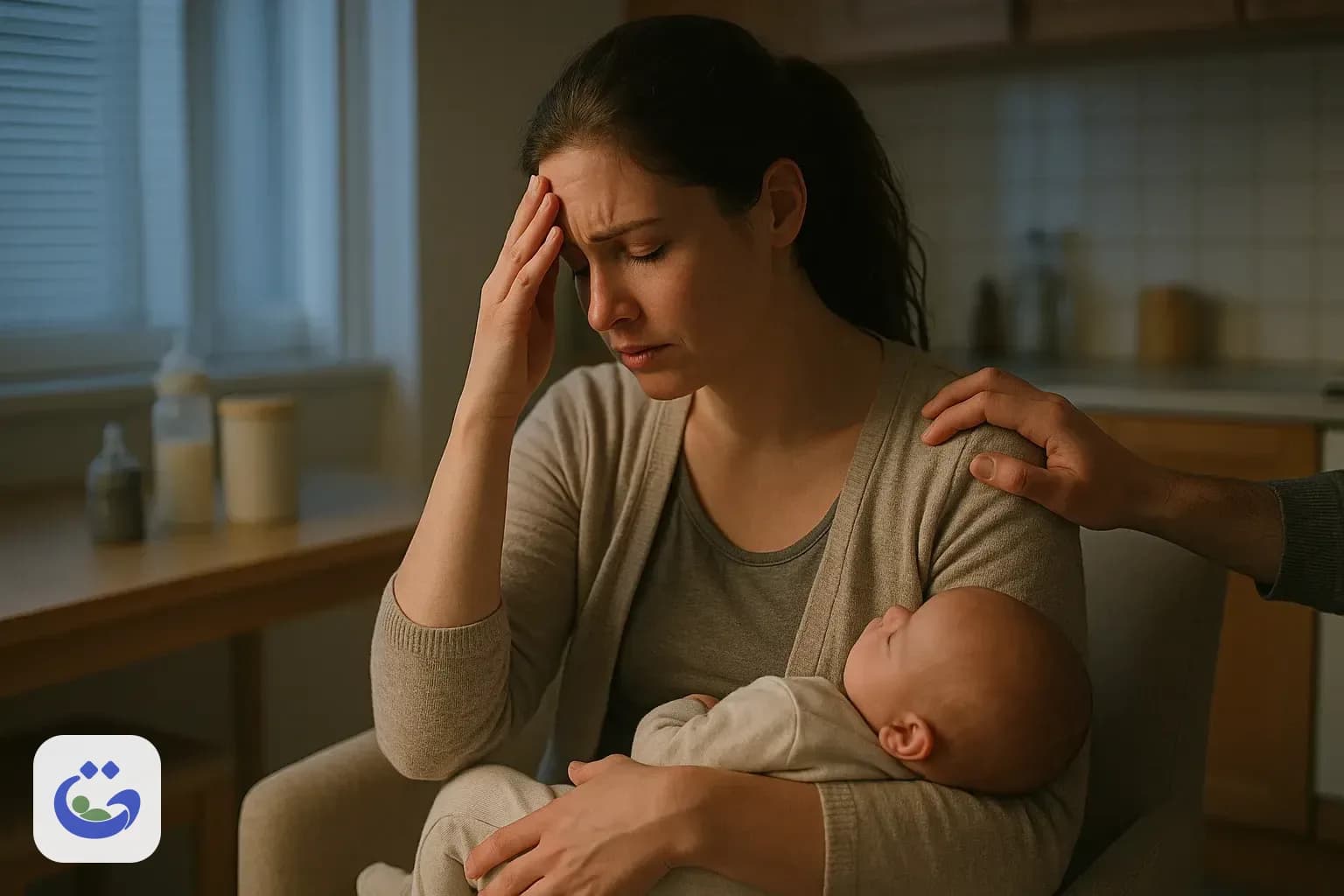
Postpartum depression is not just tiredness or lack of sleep. You may feel deep sadness, emptiness, or a loss of pleasure, or a heaviness that stops you from doing your usual things. You may feel guilt or not good enough, or find it hard to bond with the baby, or to eat and sleep, or to focus.
The important difference here is how long it lasts and how much it affects you. If the symptoms are mild and improve within about 2 weeks, that points more to baby blues. If they last longer, or are severe from the start, or begin to disrupt your life, then you need medical assessment.
When do the symptoms start and when do they improve?
Baby blues may start during the first days after birth. It can feel like a strong emotional wave: tears, tension, and tiredness, then it starts to improve gradually.
Postpartum depression can appear at any time during the first year after birth. It may not start right away. Sometimes you notice it after the house becomes quieter, or when lack of sleep and isolation increase, or when responsibilities build up.
This matters because some mothers think they have “moved past it” and then are surprised that what they feel is not just temporary tiredness. If the feelings do not improve, or get worse, or stop you from doing what you need to do each day, do not wait.
What signs point to postpartum depression?
Not every sign appears at once. Sometimes several signs are enough to make you ask for help:
- Ongoing sadness or repeated crying
- Losing interest in things you used to enjoy
- Strong guilt or feeling like a bad mother
- Severe anxiety or tension that does not settle
- Trouble sleeping even when the baby is asleep, or sleeping too much
- A clear change in appetite
- Difficulty concentrating or making decisions
- Feeling disconnected from the baby or finding it hard to bond with the baby
- Feeling that you cannot do daily tasks
- Disturbing thoughts about harming yourself or that life is not worth it
If you notice that the symptoms affect caring for yourself, the baby, or your home life, this is not “an overreaction.” It is reason enough to ask for help.
Can it affect fathers too?
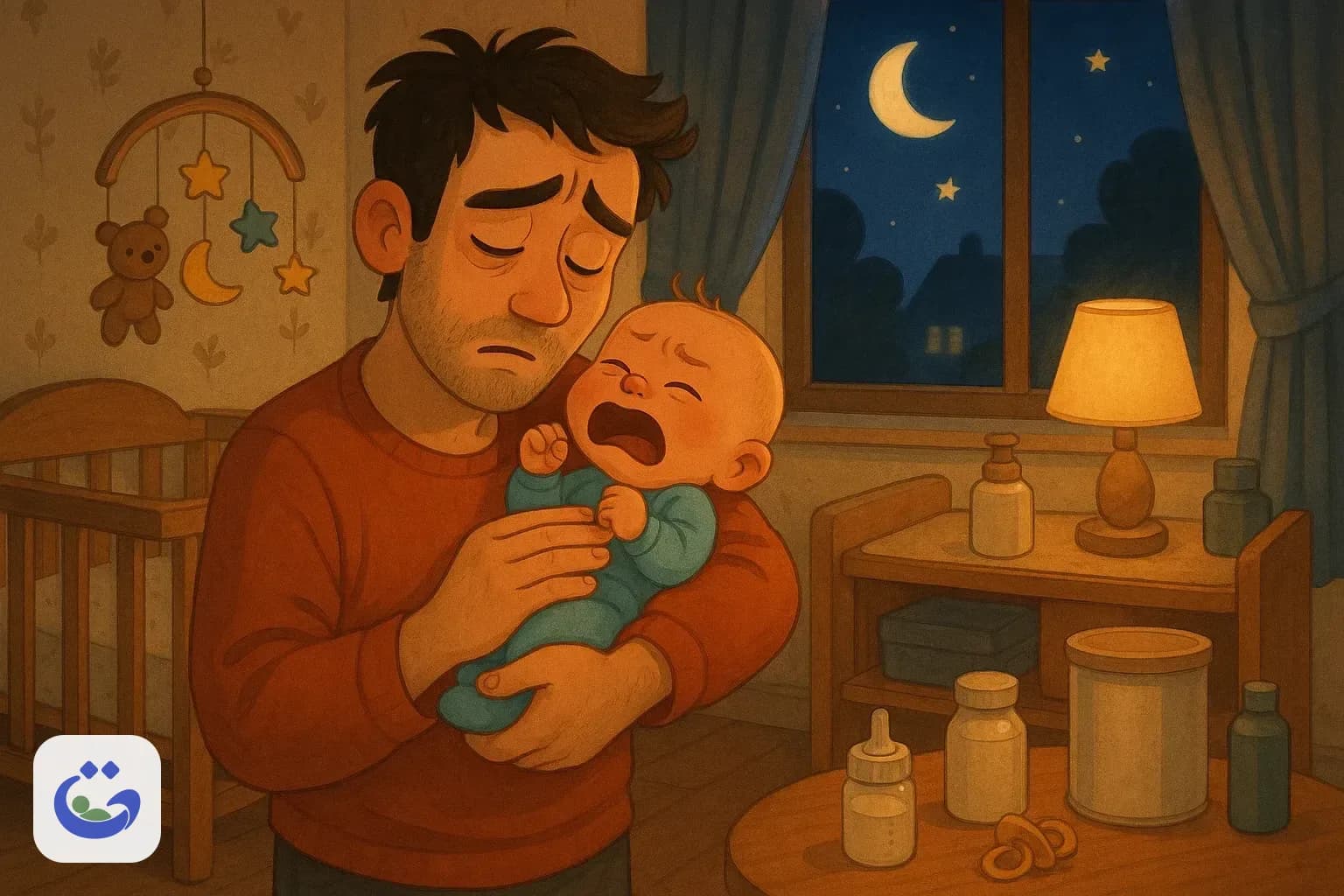
Yes. A father or partner can also have symptoms of depression after birth. This does not mean weakness or lack of love. Sometimes it appears as irritability, withdrawal, trouble sleeping, feeling under pressure, or loss of interest.
The first weeks after birth are hard for everyone. Changes in sleep, changes in routine, and new responsibilities can affect the mother, the father, or any partner involved in care. If you notice that your partner has changed a lot, or has become distant, or is sad most of the time, encourage him to seek help too.
How can I help myself or help my husband or partner?
Getting help does not mean you are weak. It is part of recovery. These simple steps may help a lot:
- Tell someone you trust what you are feeling, even in short words.
- Ask someone to stay with you or help you with the baby and the home priorities.
- Try to sleep when the baby sleeps as much as possible, or take a short rest.
- Do not isolate yourself. Even a short message or call can ease the burden.
- If you have help tracking feeding or sleep or the baby’s growth, that can ease the daily pressure, such as record breastfeeding and formula feeding or infant sleep and naps log.
- Remind yourself that recovery takes time and support, not personal strength alone.
Support from a partner and family makes a big difference. Sometimes it is enough for someone else to handle meals, visitors, or the baby for a short time so you can sleep, shower, or eat calmly.
What does the doctor or specialist do?
The doctor may ask about your symptoms, when they started, and how they affect your life. They may also ask about sleep, eating, anxiety, your relationship with the baby, and any harmful thoughts. This conversation is important, and it is not there to judge you.
The goal is to know whether what you are going through is baby blues, postpartum depression, or another problem that needs different support. Treatment may include psychological support, regular follow-up, and help from the family. The important thing is to know that this is a condition that can be helped, and not something you have to carry alone.
If you also have a lot of difficulty keeping up with the baby’s daily details, simple organisation in learn or sharing the baby’s record with the person supporting you may help so you do not carry everything alone.
When should I seek help immediately?
When should I make an appointment with the doctor?
Call the doctor or clinic or care centre if:
- The symptoms last more than 2 weeks
- The symptoms are severe from the start
- The symptoms stop you from sleeping, eating, or caring for yourself
- You feel disconnected from the baby or unable to bond with the baby
- You notice that the partner, father, or a family member has clear signs of depression
- You need support organising sleep, feeding, or day-to-day follow-up because the pressure on you has become more than you can manage
Early help is better than waiting. The sooner you ask for it, the easier the path to improvement.
Common questions
- What is the difference between baby blues and postpartum depression?
- Baby blues usually starts in the first days after birth and eases within about 2 weeks. Postpartum depression is more severe or lasts longer, may appear after weeks, and affects sleep, eating, and caring for yourself and the baby.
- Is this normal or does it need treatment?
- Baby blues is common and usually temporary. But if the symptoms are severe, last more than 2 weeks, or start to disrupt your life, this needs medical assessment. Postpartum depression is a condition that can be helped, and not something you should have to endure alone.
- Can the father or partner also be affected?
- Yes, symptoms of depression after birth can also appear in the father or partner. It may show up as irritability, withdrawal, sadness, or trouble sleeping. If you notice this, encourage him to seek help as you would for yourself.
- How can I help myself if I think it is more than baby blues?
- Tell someone you trust, ask for practical help at home, and try to rest when the baby sleeps. If the symptoms do not improve or start to affect your care for yourself or the baby, make an appointment with the doctor.
- When does it become urgent?
- If you have thoughts of harming yourself or the baby, or feel that you may lose control, it is urgent. Seek help immediately from emergency care or from a close person who stays with you now, and do not wait for a routine appointment.
References
- Depression During & After Pregnancy: You Are Not Alone — American Academy of Pediatrics (HealthyChildren.org)
- Symptoms of Depression Among Women — Centers for Disease Control and Prevention (cdc.gov)
- Postnatal depression — NHS
- World health Day 2025 — World Health Organization (who.int)
- Mental Health, Brain Health and Substance Use — World Health Organization (who.int)