This translation was generated automatically
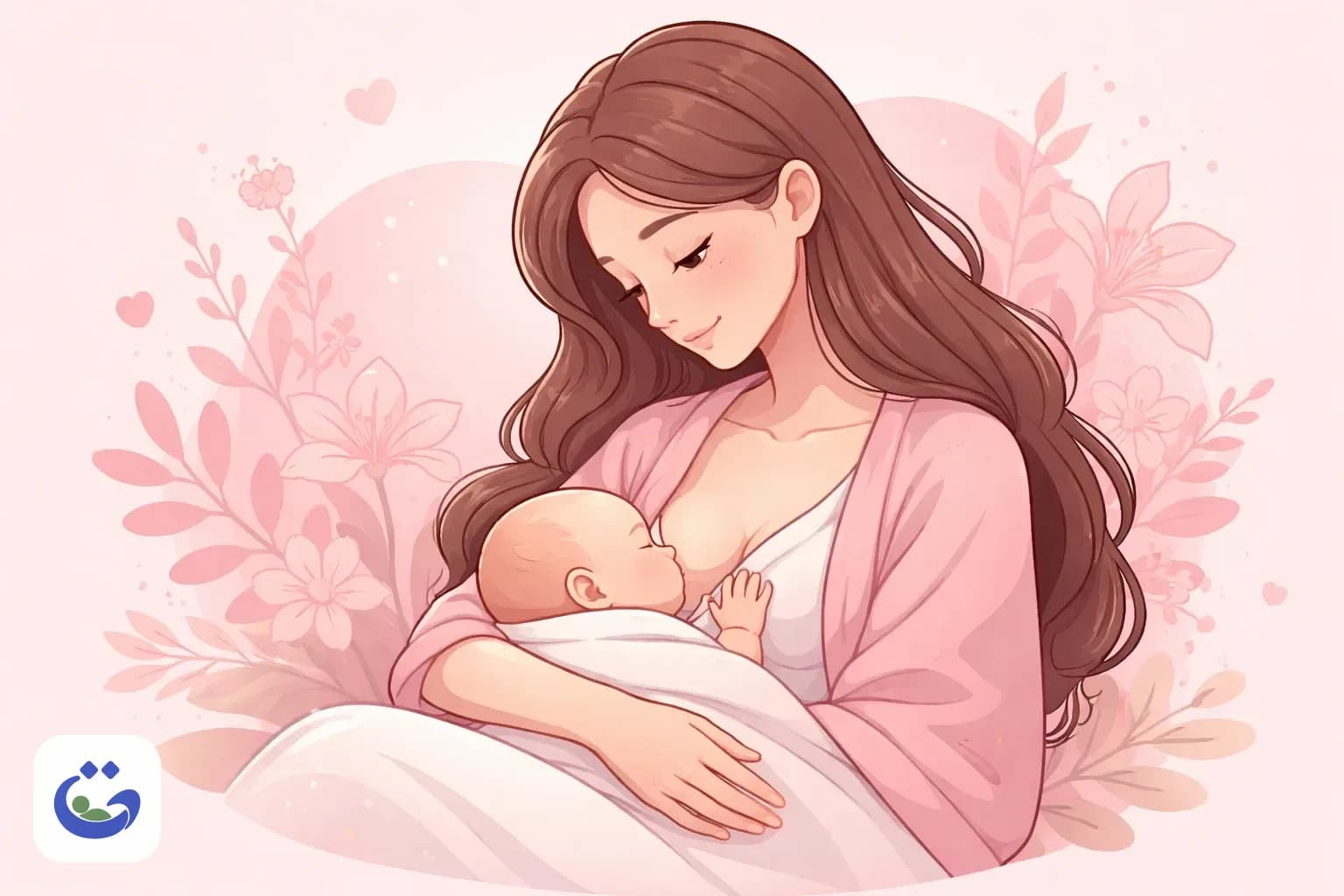
Breastfeeding is the best choice for feeding a baby in the first months. If you are wondering about exclusive breastfeeding, it means that the baby gets only breast milk during the first 6 months, with no water, herbs, anise, formula, or any foods.
Breast milk naturally contains what the baby needs from fluids and food at this stage. It also helps build immunity and supports digestion and nerve growth. It also brings the mother and baby closer, and may reduce some health problems later.
What is exclusive breastfeeding?
Exclusive breastfeeding means that the baby feeds on breast milk only during the first 6 months of life. This means:
- No water
- No herbs or anise
- No formula
- No foods
The idea is simple: in these first months, breast milk alone is enough for most babies in terms of food and fluids. So the infant does not need anything else, as long as growth is normal.
Why is it the best choice in the first months?
Breast milk is not completely fixed. It changes with the baby's needs, and this is one of its most important features. In the first days and weeks, it is very suitable for a small stomach, then it keeps giving the baby what is needed as the baby grows.
Its main benefits include:
- Complete and balanced nutrition from birth.
- Stronger immunity and fewer infections.
- Support for brain growth.
- Lower risk of allergies and obesity later.
- Better emotional bonding between mother and baby.
These benefits are why breastfeeding is an important healthy foundation at the start of life.
What does daily breastfeeding look like?
Breastfeeding does not mean following fixed hours only. It is usually best on demand, which means when the baby shows signs of hunger, such as turning the head, sucking the hands, or searching for the breast. Crying can be a late sign of hunger, so it is better to notice early signs.
Practical points that may help:
- Breastfeed on demand, especially in the first weeks.
- Make sure the baby's mouth takes the nipple and the surrounding areola well, because the correct latch reduces nipple cracks and pain.
- Try to keep the baby close to your body, because this helps the baby feed better.
- Do not expect a strict schedule from the start, because every baby is different.
Breastfeeding may happen many times a day, and this is normal. Some babies feed often, especially at the start of life or during growth spurts.
What does the baby not need in the first 6 months?
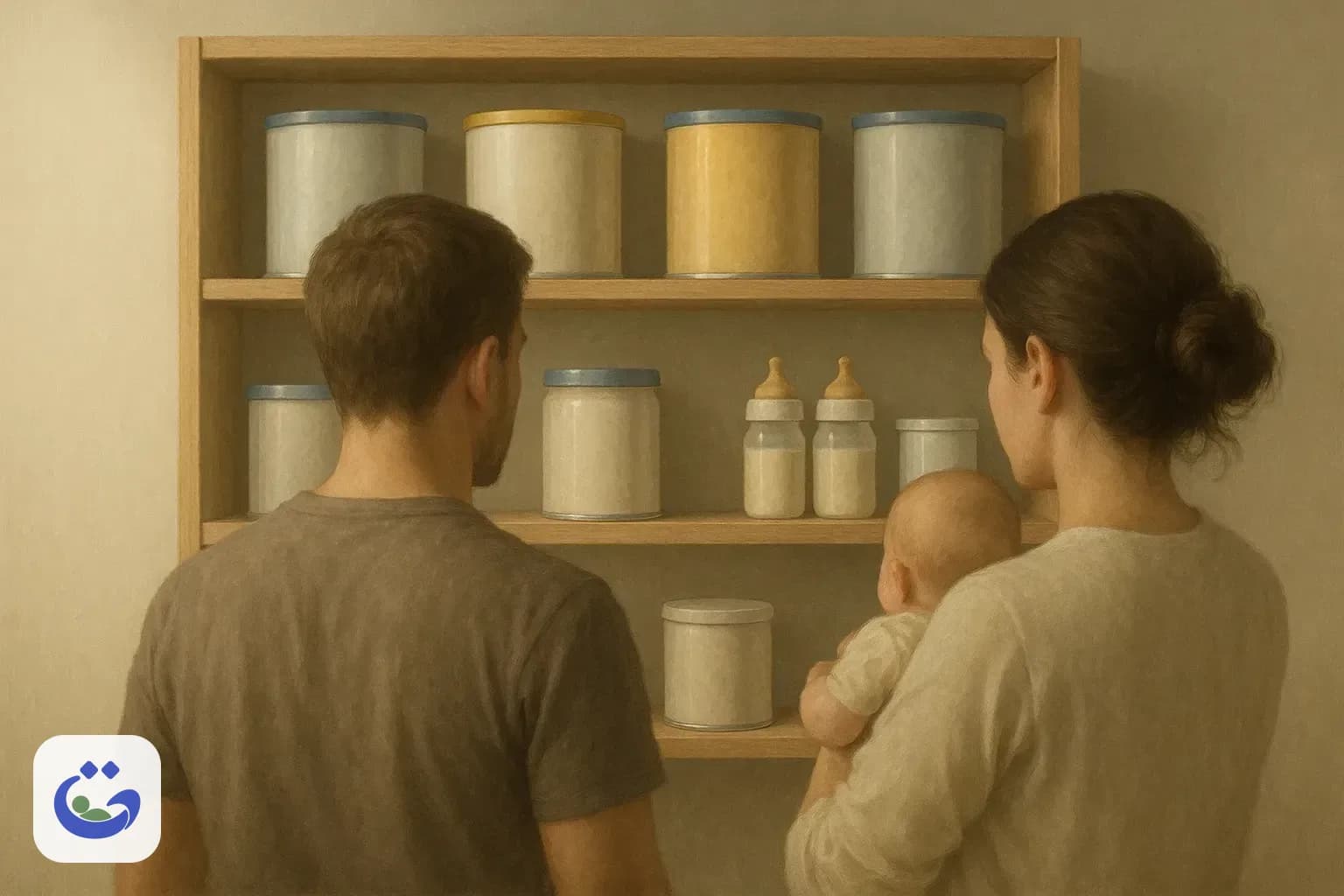
With exclusive breastfeeding, the baby does not need other additions during the first 6 months. This includes water, herbs, anise, formula, and foods.
The reason is that breast milk usually provides what the baby needs from food and fluids at this stage. Giving other things too early may replace breastfeeding and may make the baby feed less than needed.
If you hear different opinions around you, remind yourself that the recommendations approved by the World Health Organization and the American Academy of Pediatrics support exclusive breastfeeding in the first 6 months, then starting food while continuing breastfeeding after that.
When does food start with breastfeeding?
After 6 months, food can be introduced while continuing breastfeeding. At this stage, food becomes a complement to milk, not a replacement for it.
It is important to introduce food in a way that is suitable for the baby's age, and gradually, because every baby differs in readiness. Do not rush, and do not change the routine quickly. What matters is that breast milk remains an essential part of feeding after food begins.
What should you do if you face difficulty?
Sometimes breastfeeding looks easy in theory, but it can be exhausting in real life. Tiredness, pain, or worry about milk supply are common for many mothers.
If you have nipple pain, first check the breastfeeding position, because the correct latch may ease the problem a lot. If you feel that the baby is not feeding well or does not seem to be gaining weight as expected, this is a sign worth seeing a doctor.
Things that may help you continue:
- Breastfeed on demand instead of waiting for a set time.
- Make sure the baby's mouth position is correct.
- Ask for early help if latching is painful.
- Follow the baby's weight gain if there is doubt about normal growth.
When should I seek medical help?
Seek medical help right away if any of these signs appear:
- The baby does not feed well or repeatedly refuses to feed.
- Signs of dehydration such as less urine or a dry mouth.
- Severe sleepiness or difficulty waking for feeds.
- Severe pain or clear cracks in the nipple that prevent you from continuing.
- Any concern that the baby is not getting enough nutrition.
Exclusive breastfeeding in the first 6 months, then starting food while continuing breastfeeding after that, is the general medical rule for most babies. If you feel that something is not going as it should, do not wait too long.
Common questions
- What does exclusive breastfeeding mean?
- Exclusive breastfeeding means that the baby feeds on breast milk only during the first 6 months. No water, no herbs or anise, no formula, and no foods. At this stage, breast milk usually provides enough food and fluids.
- Why is breastfeeding the best in the first months?
- Because breast milk provides complete and balanced nutrition from birth, helps strengthen immunity and reduce infections, and supports brain growth. It also strengthens the bond between mother and baby, and may reduce some health problems later.
- Does the baby need water or herbs with breastfeeding?
- With exclusive breastfeeding, the baby usually does not need water, herbs, or anise during the first 6 months. The idea is that breast milk provides what the baby needs from food and fluids at this stage, as long as growth is normal.
- When do I start food with breastfeeding?
- After 6 months, food can be introduced while continuing breastfeeding. At that time, food is a complement to milk, not a replacement. The important thing is to introduce it gradually and in a way that suits the baby's age, while keeping breastfeeding as an essential part of feeding.
- When should I see a doctor because of breastfeeding?
- See a doctor if the baby is not gaining weight normally or if you feel breastfeeding is not going as it should. Seek help right away if the baby does not feed well, shows signs of dehydration, is very sleepy, or has severe nipple pain.